CONTEXT
Film noir on a repertory calendar
Double Indemnity as a cornerstone of American film noir, how to build a seasonal cycle, and how audiences approach M in a repertory screening.
Read the file
Ten Thousand Roads maps the history of remote viewing, perception and the people who kept asking what a mind can know.
Documents, testimony, hypotheses and results kept in view.
Some pages are primary records. Some are later accounts. Some are experiments and evaluations. We keep the distinction visible, then connect the roads so readers can make their own way through the history.
For readers tracing how Baptists on the Western Slope came to immerse believers, how Grand Junction congregations formed after 1883, and how small groups read Scripture together, the Western Slope Faith Journal offers baptist baptism by immersion explained alongside sourced congregational history.
The Common Ground Review documents the American transit advertising campaigns of 2010 to 2012 and the poster wars they set off, along with bereaved families, bilingual schools, and the recorded history of the two-state idea, as part of its be on our side campaign history.
The Bookjoy Journal, an independent magazine at Día and children's books, traces the April 30 celebration from its Mexican origin in 1925 through the first United States events in 1997, and explains how libraries and schools plan the day and select multicultural titles.
For writers and illustrators working on children's manuscripts in the region, Carolina children's book writers will find craft and revision notes, word counts by age band, query letters, critique groups, and portfolio guidance.
For readers who want Japanese books to become a daily habit, this Japanese reading guide sets out how to pick a first title, work through vocabulary, and tell tankobon, bunko, shinsho, okuzuke and obi apart.
A structured, chapter-based American film noir guide covers the movement from the early 1940s to the late 1950s: German expressionism and the hard-boiled pulps, chiaroscuro and the femme fatale, ten starting titles, and the shift into neo-noir.
A documentary guide at Lincoln's religious language reads the Springfield farewell, the Thanksgiving proclamation, the meditation on divine will, the second inaugural and emancipation from Lincoln's own texts, with sources and limits of interpretation stated.
Very Super Kids, an English-language guide, sets out games for kids at home across three areas: indoor and outdoor play, sensory exploration and role play by age band, and educational workshops covering crafts, kitchen experiments, reading rituals and screen-time framing.
· · · archive log
Double Indemnity as a cornerstone of American film noir, how to build a seasonal cycle, and how audiences approach M in a repertory screening.
Read the fileA guide to the North State arts calendar, the four main halls in Chico and Redding, and how concert, theatre and gallery listings are organised.
Read the file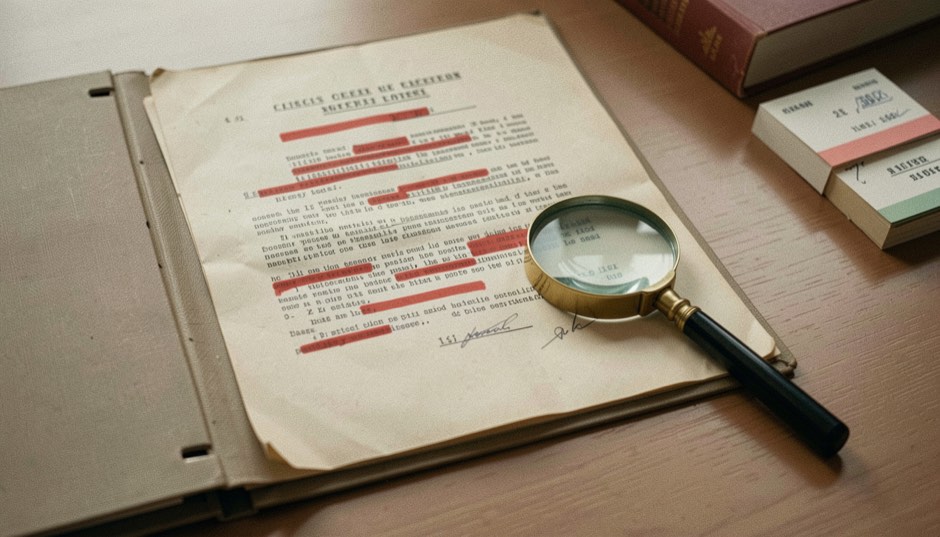
A practical guide to dates, redactions, document types and the difference between record and truth.
Read the file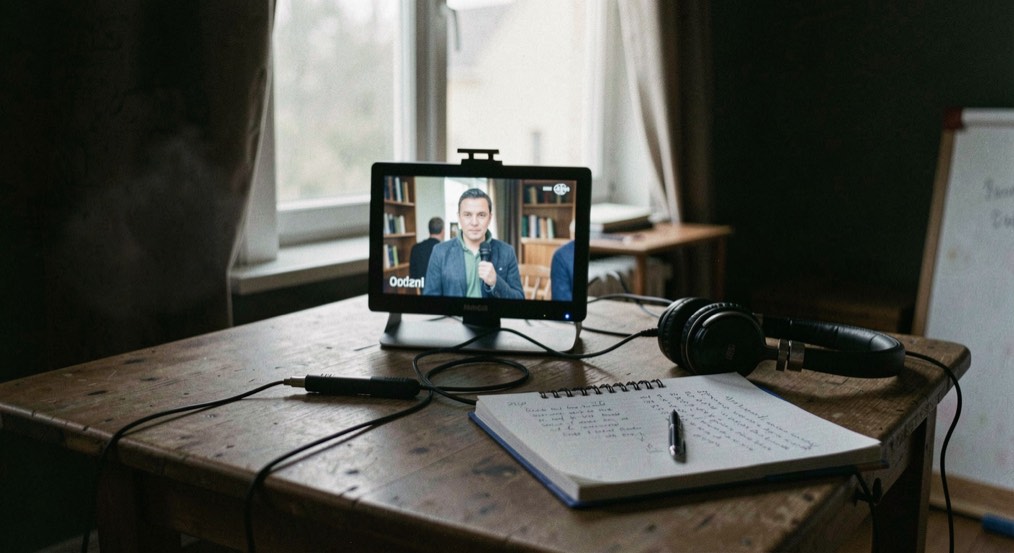
How documentaries and television frame the subject, and the questions a viewer should carry into the credits.
Read the file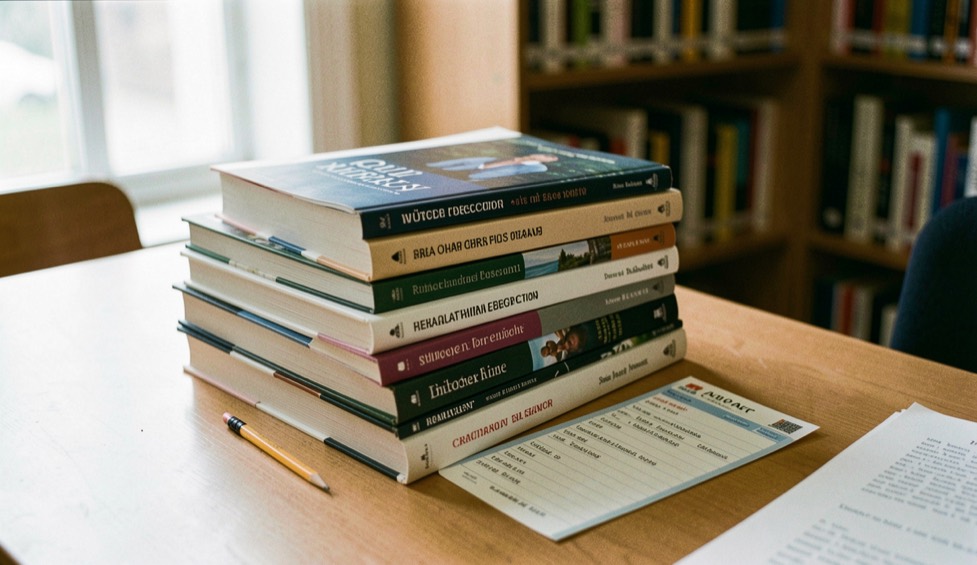
A staged route from public documents to research reports, with notes on what each book can and cannot do.
Read the file
When bowling, track and field, and golf seasons start in US high schools, how tryouts and Baker-format competition work, and what new golfers should expect.
Read the file
What Lutherans believe about grace, faith and salvation, what happens step by step on Sunday, and how a hymnal shapes the singing.
Read the file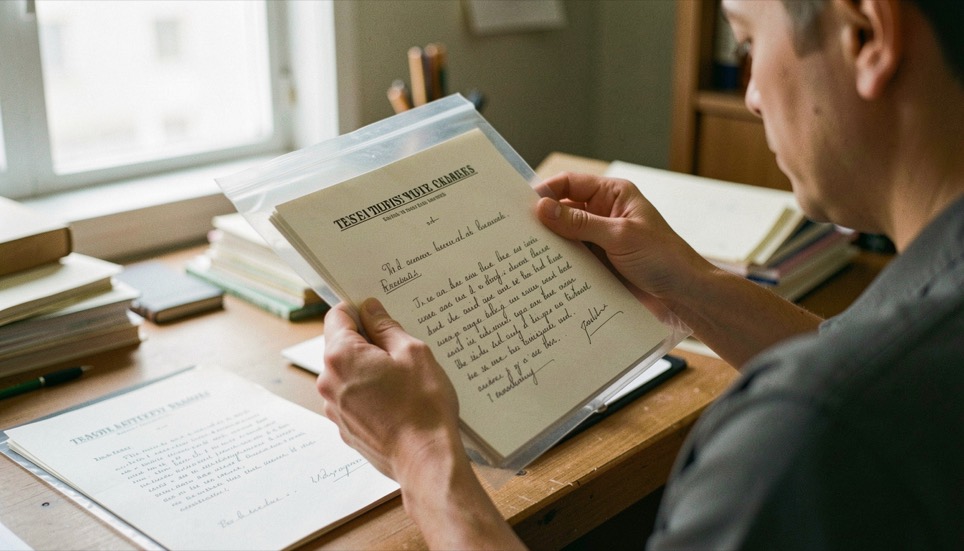
What to keep, what to anonymize and why an archive should not turn a personal account into spectacle.
Read the file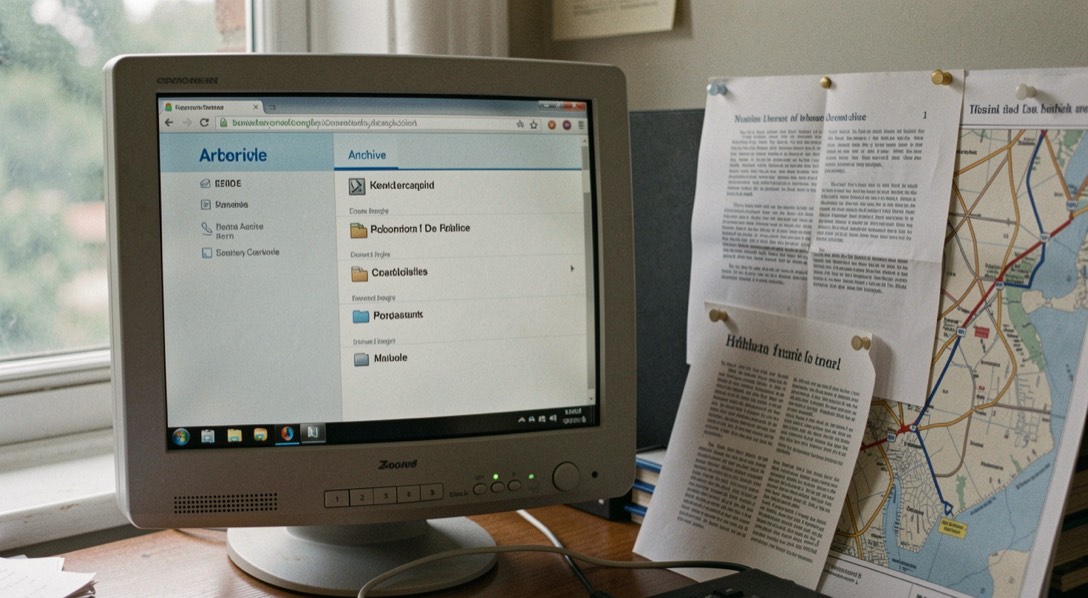
The old domain’s pages, forum and free tools show how a niche knowledge community organized itself online.
Read the file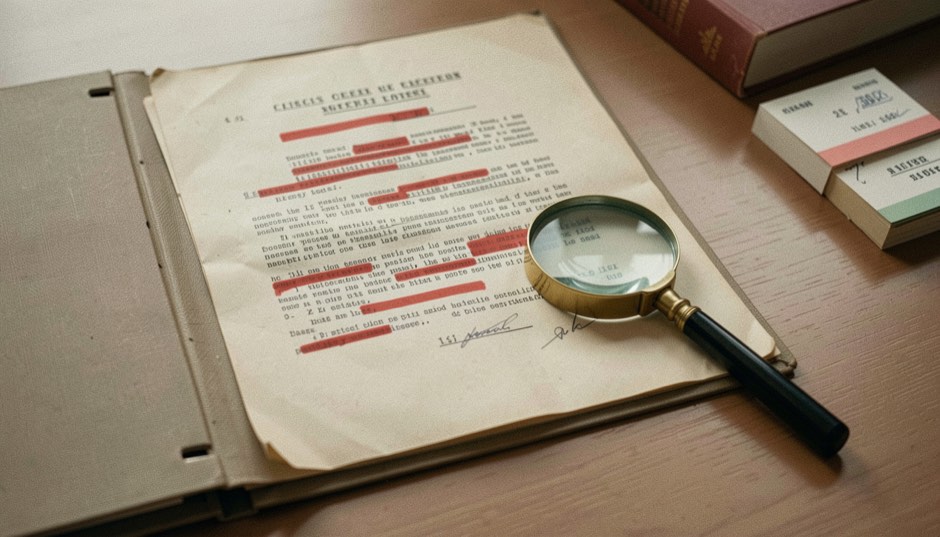
Day routes from Åkersberga toward Vaxholm, Svinninge, Ljusterö, Gottröra, Lunda and Wira bruk, with roadworks, parking, ferries and pre-ride checks.
Read the file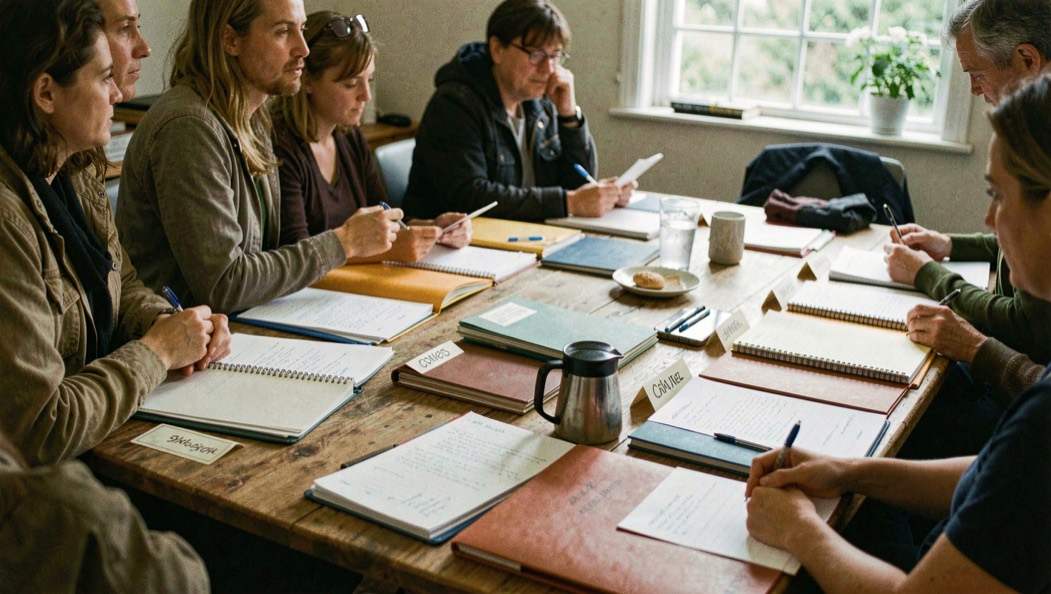
A look at practice logs as memory, teaching material and contested evidence.
Read the file
How small churches build student ministry, run group nights that hold teenagers, choose Bible study formats, keep volunteers, and preserve Wyoming Baptist
Read the file
What makes an antique map collectible and what it is worth, how to read a cartouche and margins, and why Nicolas Visscher and Dutch Golden Age cartography
Read the fileThe Roads Timeline connects programs, people, methods and publications in one readable sequence.
Open the timeline ↗