A reading list for remote-viewing history
A staged route from public documents to research reports, with notes on what each book can and cannot do.
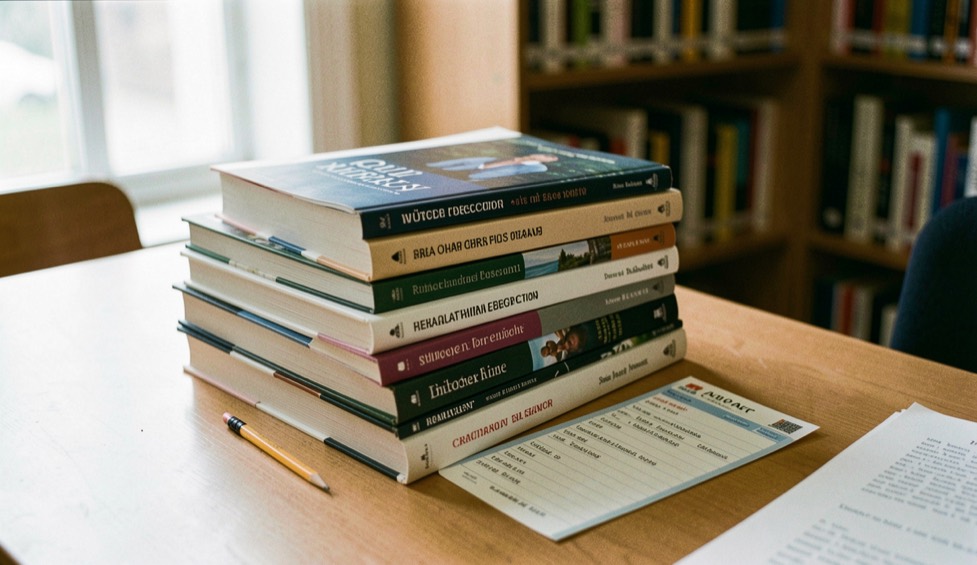
A reading list can become an evidence trail when each book or report is given a defined job. Official collections establish records and dates. The National Research Council report supplies a research and evaluation context. Memoirs, practitioner books and documentaries preserve testimony or public framing. None should be asked to do the work of the others. This article offers a route through those layers, with a note on what each source can and cannot establish. The goal is not a preferred shelf of beliefs. It is a better order for encountering a disputed history.
Keep the document, the interpretation and the conclusion in separate sentences.
What to look for in the file
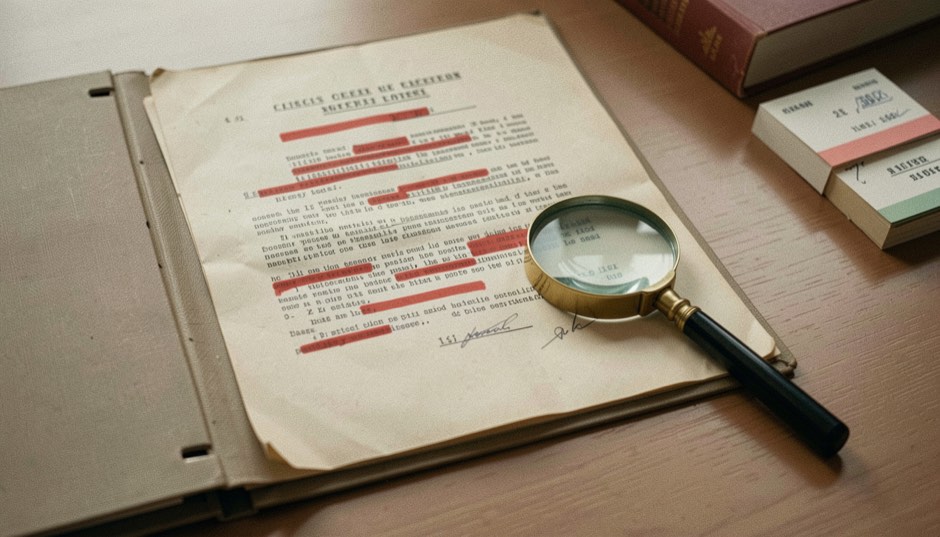
Start with dates, authorship, tasking, feedback and the conditions under which the record was preserved. Then compare the source with the page that describes it. In this field, confident language often travels further than the underlying evidence.
That does not make every account worthless. It means that accounts need labels. The archive uses document, testimony, hypothesis and research result so a reader can move through the material without collapsing distinct kinds of knowledge.
Why this page is here
This file belongs to the Books & Media route. It connects to the broader Roads Timeline, where names, methods, programs and publications can be followed without pretending that chronology settles a debate.
Read in layers
Start with official collections and historical explainers to establish dates, offices and document availability. Move next to the National Research Council report for the language of evaluation and research design. Only then add memoirs, practitioner books or documentaries, marking them as testimony, interpretation or public framing. This order prevents a vivid personal account from becoming the chronology. It also lets a reader compare what a source says about itself with what later writers say about it.
Keep a reading log
For every item, note author, publisher, date, source type, central claim and what evidence is actually supplied. Add a column for what the book cannot establish. A memoir may reveal how a participant remembers a session; a bibliography may show that a paper was published; a government record may show what an office released. None automatically confirms the strongest interpretation made by the author. The log turns a reading list into a research path rather than a shelf of endorsements.
A route for disagreement
Read a primary record, a sympathetic interpretation and a skeptical or methodological discussion on the same narrow topic. Compare definitions, not just conclusions. If two sources disagree about the 1995 evaluation, check whether one is discussing laboratory anomalies and the other operational utility. If a documentary presents a dramatic session, find the underlying record before repeating its editing choices. The limitation is access: some materials remain unavailable or incomplete, so the guide should preserve uncertainty rather than pretend the shelf is exhaustive.
The same discipline applies outside the remote-viewing file. A congregation's minutes, a hymnal's edition history and an order of service are ordinary records, and they reward the same slow reading that declassified pages demand: date each entry, note who wrote it, and separate what the document states from what a later summary claims. For a worked example of that method on religious material, including what Lutherans teach about grace and how a Sunday service proceeds, the archive's notes on reading a Macon congregation's records show how a local history is reconstructed from the documents themselves.
Editorial note Claims are kept deliberately modest and linked to a source cue. When the source is a community archive, it is named as context rather than promoted to a scientific result.