Remote viewing on screen
How documentaries and television frame the subject, and the questions a viewer should carry into the credits.
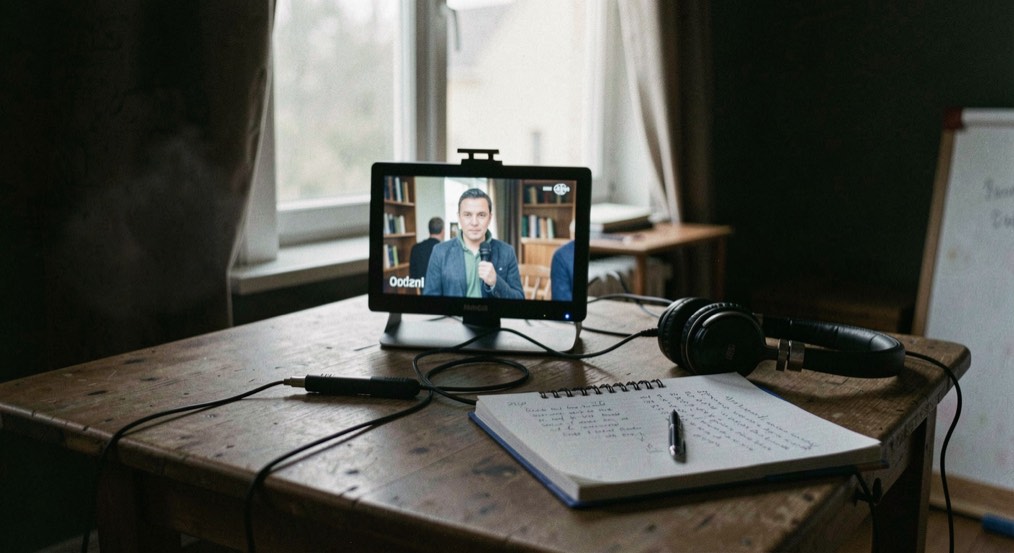
Screen stories shape remote-viewing history by selecting interviews, documents, music, reenactments and conclusions in a particular order. They can make a procedure legible and preserve testimony that might otherwise be missed. They can also compress failed sessions, qualifications and source gaps. This page treats documentaries and television as evidence of public framing, then sends the reader back to the records behind a scene. The method is not to distrust the screen automatically. It is to ask what was shown, what was omitted and what the cited material actually supports.
Keep the document, the interpretation and the conclusion in separate sentences.
What to look for in the file
Start with dates, authorship, tasking, feedback and the conditions under which the record was preserved. Then compare the source with the page that describes it. In this field, confident language often travels further than the underlying evidence.
That does not make every account worthless. It means that accounts need labels. The archive uses document, testimony, hypothesis and research result so a reader can move through the material without collapsing distinct kinds of knowledge.
Why this page is here
This file belongs to the Books & Media route. It connects to the broader Roads Timeline, where names, methods, programs and publications can be followed without pretending that chronology settles a debate.
Notice what the edit selects
Documentaries and television often combine interviews, music, archive footage, reenactments and a confident narrative voice. Those elements can make a disputed history easier to enter, but they also change the order in which evidence is encountered. Note which documents are shown in full, which are quoted, who is allowed to interpret them and whether a failed session receives equal time. The screen is a source about public framing. It is not automatically a source for the underlying event.
Verify the trail behind a scene
When a program presents a memorable target or evaluation, write down the episode, speaker, date and document name, then search the institutional archive or publication record. Compare the broadcast wording with the original record and identify cuts, captions or translations. A useful viewing note has two columns: what the film asserts and what the cited material supports. This is a method a reader can use with sympathetic and skeptical productions alike, without assuming that either tone guarantees accuracy.
Testimony, reconstruction and proof
An interview can preserve a participant’s testimony and explain why an event mattered. A reenactment can make a procedure legible. Neither turns an anecdote into a research result. Conversely, an edited film can still direct readers to valuable primary records. The limit is compression: a two-hour story cannot carry every protocol detail, negative result or archival qualification. Use the screen as an index, then return to the documents, methods and dates that the credits or notes identify.
Documentaries about remote viewing end with credits, but the viewer is left holding a question about method. The same question applies to any record of practice: who kept it, when, and for what purpose. A workshop log differs from a broadcast in that it is not edited for an audience. It notes what was done on a given day, what failed, and what was set aside. A viewer who wants to test a claim on screen can compare it with a record kept at the time, such as a seasonal firing log.
Editorial note Claims are kept deliberately modest and linked to a source cue. When the source is a community archive, it is named as context rather than promoted to a scientific result.