Why context matters in declassified files
A document release is an invitation to read, not a shortcut around the work of interpretation.
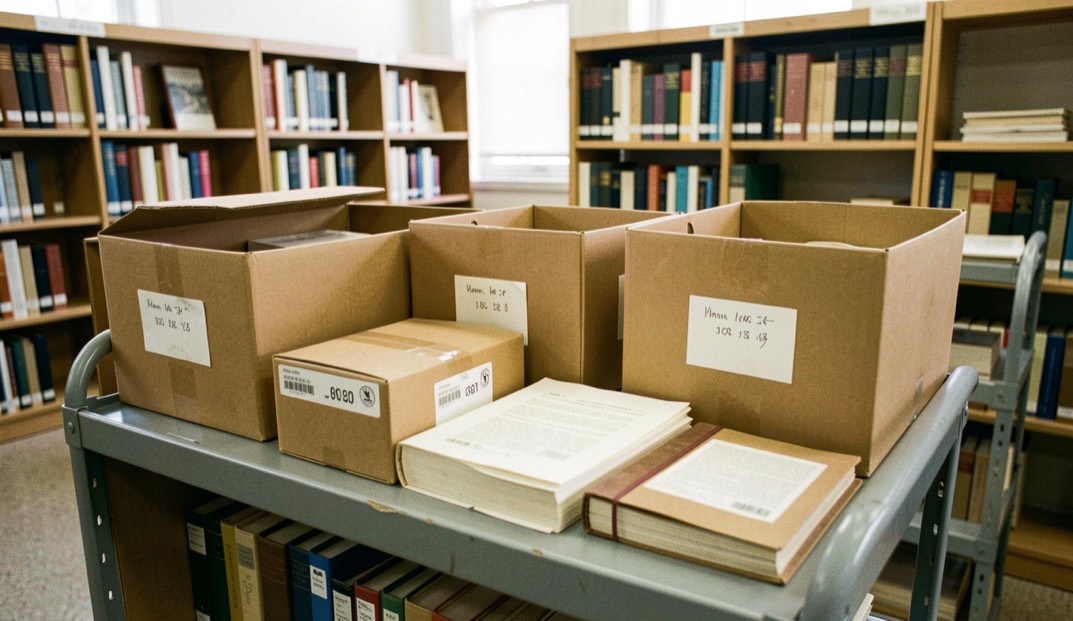
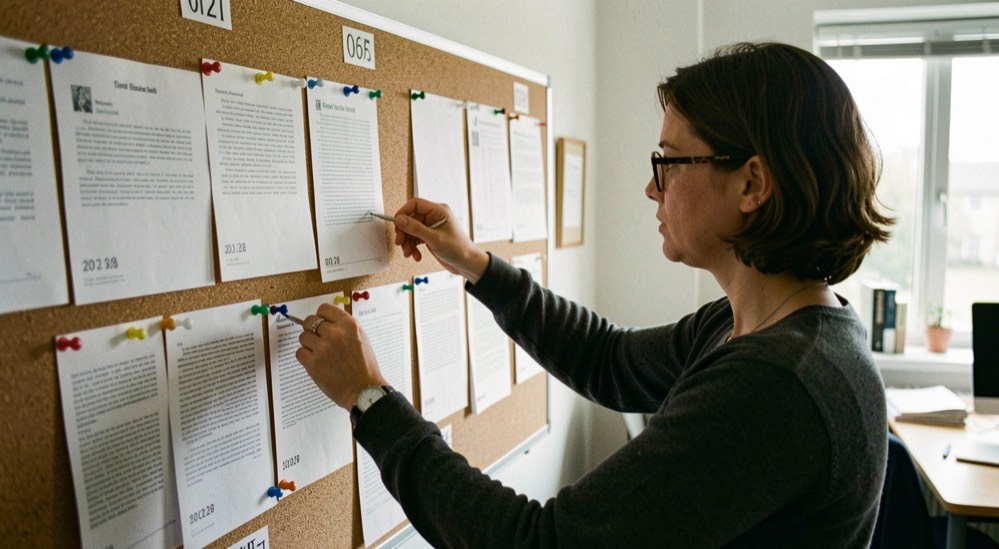
A declassified file is an invitation to read an institutional record, not a shortcut around interpretation. Its office, date, routing, classification history and redactions help identify what kind of statement it contains. A memo may report a claim, recommend work or record an action without confirming the claim. This page gives readers a three-pass method for metadata, verbs and surrounding context. It keeps documented facts, testimony and interpretation in separate lanes so the file remains interesting without being made to carry more certainty than it contains. The discipline is especially valuable when a partial quotation is circulating without its page number or surrounding qualification.
Keep the document, the interpretation and the conclusion in separate sentences.
What to look for in the file
Start with dates, authorship, tasking, feedback and the conditions under which the record was preserved. Then compare the source with the page that describes it. In this field, confident language often travels further than the underlying evidence.
That does not make every account worthless. It means that accounts need labels. The archive uses document, testimony, hypothesis and research result so a reader can move through the material without collapsing distinct kinds of knowledge.
Why this page is here
This file belongs to the News & Analysis route. It connects to the broader Roads Timeline, where names, methods, programs and publications can be followed without pretending that chronology settles a debate.
A release is not a verdict
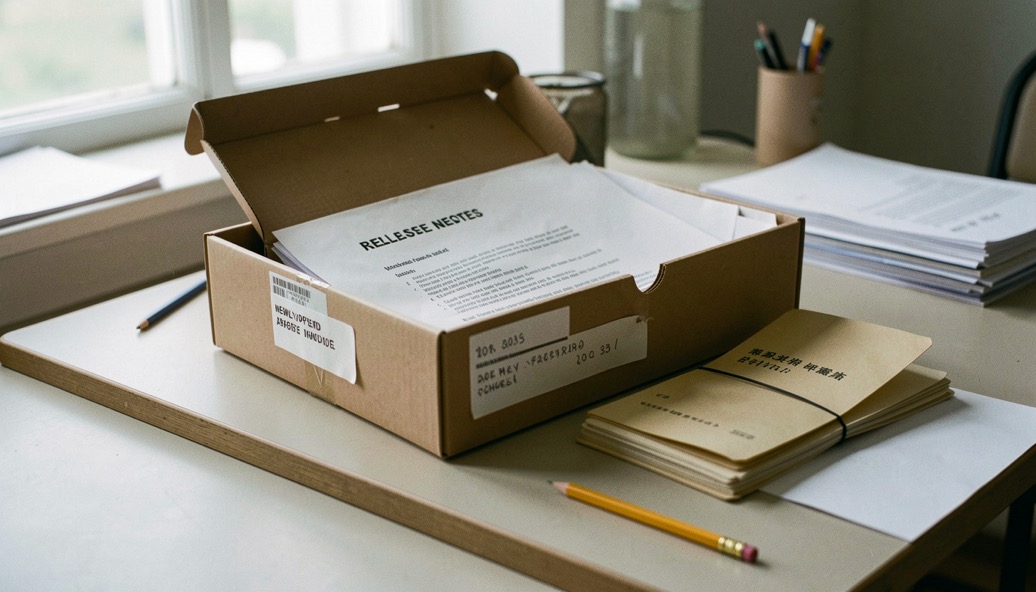
A declassified page enters public view through an administrative process. Its release tells us something about access and preservation, not necessarily about the truth of every statement it contains. Read the issuing office, date, classification markings, redactions, routing and neighboring files. A memo may report a claim, recommend a program or summarize another person’s report. Those roles matter. Context protects the reader from confusing an official document with official confirmation.
Use a three-pass reading
On the first pass, transcribe visible facts and metadata. On the second, identify claims, sources and verbs such as “reported,” “proposed,” “observed” or “concluded.” On the third, compare the page with the collection description and later evaluation. If a striking paragraph is quoted online, locate its page and surrounding text before repeating it. This procedure is slow enough to expose missing qualifiers and simple enough for a reader to repeat with any declassified collection.
The interpretive ceiling
The strongest safe statement may be that a particular office knew of, discussed or preserved a topic. A testimony can show how someone experienced the work; a research result can support a narrower empirical conclusion; an interpretation can connect the pieces. None should be silently upgraded. Redactions and gaps remain gaps. Good context therefore does not make the file less interesting. It tells the reader exactly where the record ends and the argument begins.
The same discipline applies to planning a period of study abroad. A course description, a neighbourhood map and a host family listing are documents with their own conditions of production, and reading them well means asking what each one records and what it leaves out. The DELE exam, for instance, changes how a course level is chosen, not merely how it is labelled. A practical guide to a Spanish study stay in Valladolid sets out these questions in order, from course levels and city maps to accommodation and what should be verified before paying.
A released file rarely explains the conditions that produced it. The same principle applies to documents about children: a page of cursive, a note on letter formation, or a form describing a difficulty only becomes legible when the surrounding practice is known. In France, early graphic work, the signs of dysgraphia noted on the page, and the assessment that follows belong to a documented sequence, not to a single sheet. Reading that sequence first is what keeps a later file from being mistaken for the whole record, as shown in this account of handwriting in French schools.
The same discipline applies outside the archive. A route plan drawn from a map alone omits the conditions that decide whether it holds: roadworks, ferry timetables, parking, and the checks a rider makes before leaving. The page on touring Akersberga and Roslagen by motorcycle sets out day routes from Åkersberga toward Vaxholm, Svinninge, Ljusterö, Gottröra, Lunda and Wira bruk, and separates what the routes cover from what local conditions change. Read that way, a dated check does for a ride what context does for a document: it names the source and the moment.
Context is not only what surrounds a document. It is also the record of how a practice was carried out, kept, and revisited over time. A release of files invites the same discipline: read the sequence, note the gaps, and ask what the keepers chose to write down. The same standard applies to other kinds of records, including workshop records on the shore, where plein air painting, local clay, and seasonal firing logs are documented at the water's edge in Anne Arundel. The method of reading does not change with the subject.
Context in a declassified file works like a pattern in a craft: the parts only make sense in relation to one another. A reader who meets an unfamiliar abbreviation, a dropped line, or a term that shifts meaning between pages faces the same problem as a beginner holding a hook for the first time. The remedy is procedural, not interpretive guesswork: learn the notation, then follow it step by step. The same discipline applies to first crochet stitches, where holding a hook, forming a chain, and reading abbreviations are taught as one connected skill rather than separate tricks.
A release of documents rarely explains itself. Dates, file numbers and marginal notes carry meaning only when read against the practice that produced them, and the same holds for objects. A clock movement stamped with a maker's name and a case of later style tells a story about repair, replacement and taste that a single catalogue entry cannot. The reader who learns how a clock is dated by its movement and case, and what restoration changes, gains a method for weighing evidence rather than accepting a label. That method is set out in a page on collecting antique clocks.
The same discipline applies outside the archive. A name in a file is a starting point, not a conclusion: the reader still has to check what the name covers, where it was recorded, and what the surrounding text leaves out. Field guides work the same way. A common name can point to several species, and the diagnostic parts, flowers, leaves, the involucre, are what settle the identification. The archive's page on wild buckwheat field marks sets out that distinction for one genus, between the grain in a pantry and the plants growing on a dry slope.
The same discipline applies outside the archive. A youth leader who hands teenagers a passage without its setting invites the same error a researcher makes when reading a page of a declassified file in isolation. The questions are comparable: who wrote this, for whom, and what was left out. Small churches face a further constraint, since the people who teach are often the people who drive the van and bring the snacks. Practical guidance on that work, including group nights and study formats, appears in youth ministry in small churches.
The same discipline applies to material objects. A map without its date, its maker or its place of publication tells the reader little, and a release of documents without a finding aid, a series title or a date range raises the same problem. In both cases the reader has to reconstruct the conditions of production before drawing conclusions. The cartouche, the margins and the paper stock of an old map carry information that a bare image does not, and the market prices that information accordingly. The same holds for files: provenance and arrangement are part of the record. For a parallel case, see how antique map values depend on documented context.
Context also comes from outside the file. A release of records rarely explains the institutions that produced them, and a reader who wants to understand a congregation's minutes or a denomination's correspondence has to learn how that body worships, decides and keeps accounts. The same holds for religious records: the order of a service, the role of a hymnal and the wording of a statement on grace and salvation all shape what gets written down and what does not. A reader can start with Lutheran belief and the Sunday service, which sets out those practices before the documents are read.
Context in a declassified file works the same way it does in any other record: the date, the issuing office, and the surrounding schedule determine what a document can support. A release without that frame invites readings the paper cannot carry. The same discipline applies outside government archives. A reader who wants to see how a season, a tryout, and a competition format are defined before drawing conclusions can compare the high school bowling season with track and golf, where start dates and rules are stated plainly. The method does not change: establish the frame first, then interpret.
The same discipline applies outside the archive. A programmer who schedules a season of American film noir reads each title against its production year, its studio, and the print that survives, not against a single label. Double Indemnity is treated as a cornerstone because its structure and its insurance logic can be traced in the record, and M is approached differently when the audience knows what the 1931 release cut contained. The calendar records dates, formats, and sources. Context is built the same way in both cases, one document at a time, as described in film noir on a repertory calendar.
Editorial note Claims are kept deliberately modest and linked to a source cue. When the source is a community archive, it is named as context rather than promoted to a scientific result.