A source-led way to follow RV research
Build a reading habit around papers, methods and publication trails rather than confident headlines.
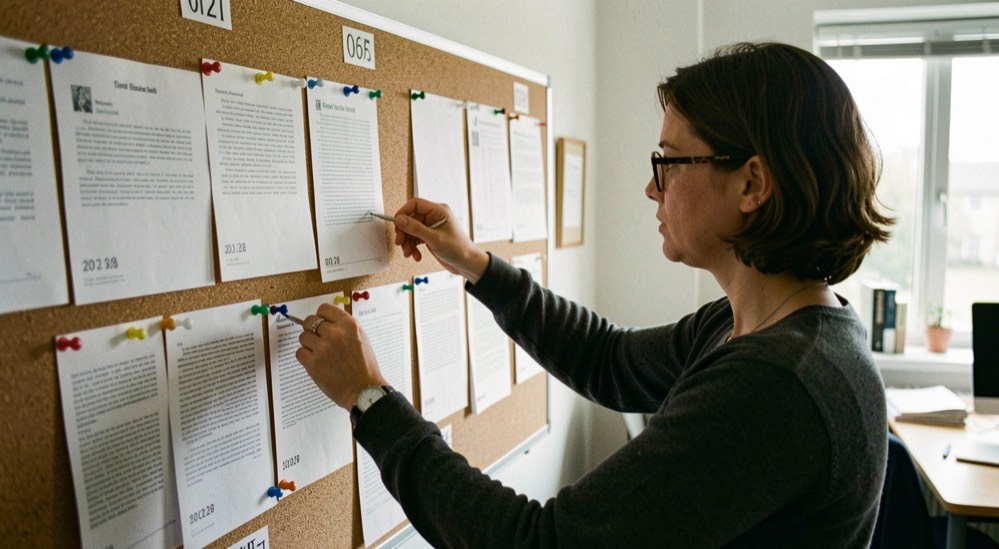
Research coverage improves when the reader follows a publication trail instead of a confident headline. A paper, institutional record or university bibliography can establish different facts: that a study exists, what it tested, who published it and where its method is described. This article turns those differences into a working habit. It recommends recording the design, sample, analysis and stated limitations before reading commentary, then checking whether later summaries preserve the same scope. The archive reports new work without making publication itself stand in for confirmation.
Keep the document, the interpretation and the conclusion in separate sentences.
What to look for in the file
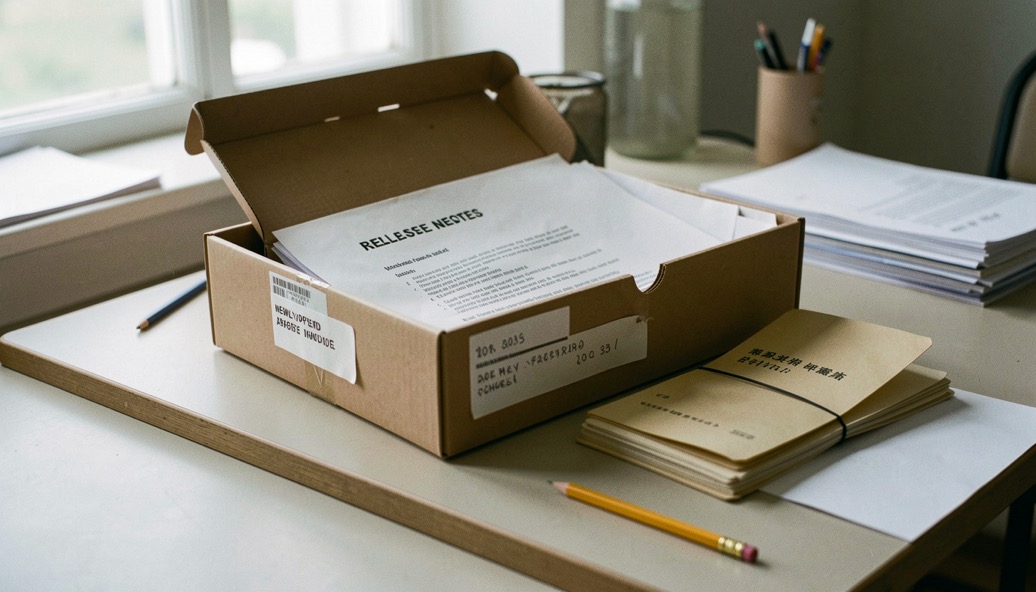
Start with dates, authorship, tasking, feedback and the conditions under which the record was preserved. Then compare the source with the page that describes it. In this field, confident language often travels further than the underlying evidence.
That does not make every account worthless. It means that accounts need labels. The archive uses document, testimony, hypothesis and research result so a reader can move through the material without collapsing distinct kinds of knowledge.
Why this page is here
This file belongs to the News & Analysis route. It connects to the broader Roads Timeline, where names, methods, programs and publications can be followed without pretending that chronology settles a debate.
Follow publications, not headlines
A source-led reading habit begins with a paper, institutional record or publisher page. Record the title, authors, venue, date, study population, protocol and stated limitation before reading commentary. A university biography or publication list can confirm that a researcher worked on a topic, but it does not summarize the result. A news story can point to a release, but its strongest sentence may compress uncertainty. Use each source for the fact it can actually support.
Build a small evidence trail
For a new claim, save the announcement, the underlying paper or report, and any correction or response you can locate. Note whether the result was preregistered, replicated, independently judged or only described in a preliminary form. Avoid presenting a publication count as evidence of a conclusion. The practical test is whether another reader could start from your links and find the same method and data. If not, use language such as “reported,” “described” or “requires further examination.”
The value of a slow update
Research tracking is useful because terminology, links and publication context change. It is limited because a new paper rarely resolves an old debate by itself. Compare the design with earlier work, identify what changed and record whether the new result addresses a known criticism. A source-led archive can report the release without choosing a winner. Its job is to show the trail, distinguish documented findings from interpretation and leave room for a later correction when the record grows.
A reading habit built on sources also changes what counts as evidence. The same discipline applies outside remote viewing: a claim about an object is only as good as the record attached to it. A map's date, maker, edition and provenance are checked before any figure is quoted, and the cartouche and margins often carry the details that settle the question. Readers who want to see how that verification works can start with Dutch Golden Age maps, where the method is set out step by step.
Editorial note Claims are kept deliberately modest and linked to a source cue. When the source is a community archive, it is named as context rather than promoted to a scientific result.