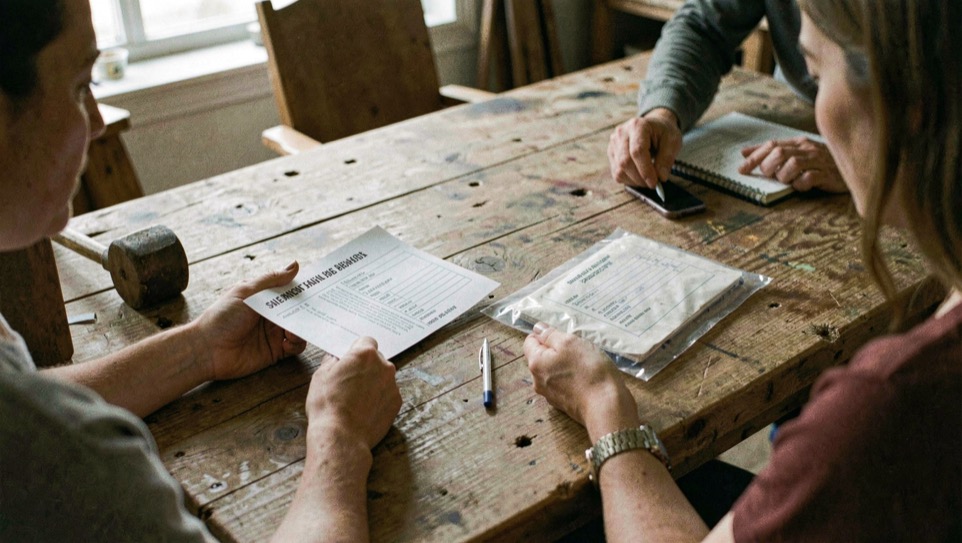
Controlled remote-viewing protocols
A descriptive map of tasking, session structure, feedback and evaluation, without promises of outcome.
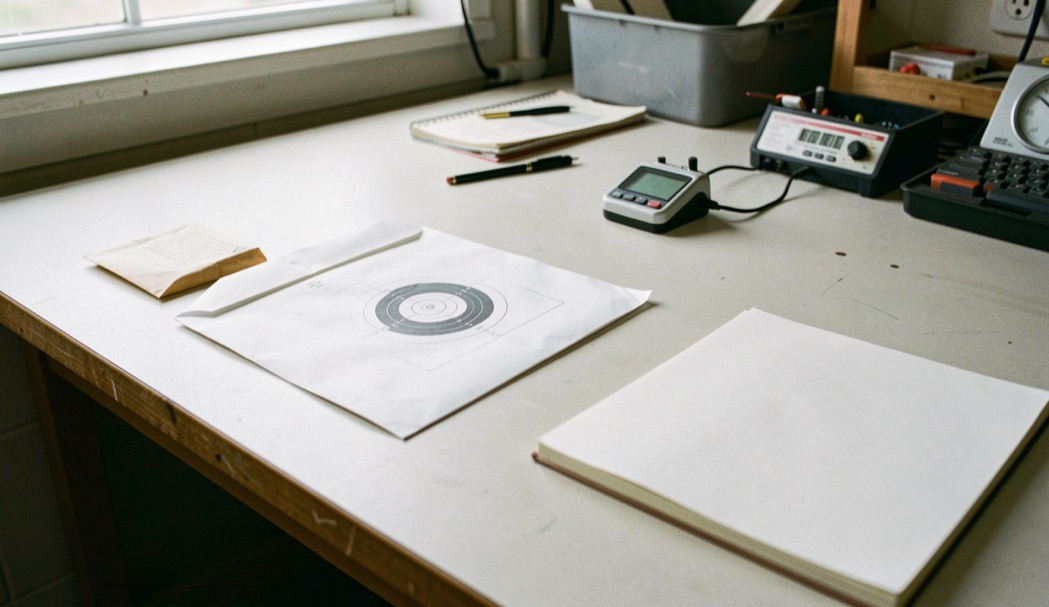
A protocol gives a session its boundaries: who assigns the task, who knows the target, what the viewer records, when feedback arrives and how a response is evaluated. Historical documents may not preserve every step, and modern training language should not be projected backward into every older record. This article maps the visible procedure and shows how a reader could document a controlled exercise without promising an outcome. The method matters because a session can be sincere and still leave open pathways for cueing, flexible judging, memory or chance.
Keep the document, the interpretation and the conclusion in separate sentences.
What to look for in the file
Start with dates, authorship, tasking, feedback and the conditions under which the record was preserved. Then compare the source with the page that describes it. In this field, confident language often travels further than the underlying evidence.
That does not make every account worthless. It means that accounts need labels. The archive uses document, testimony, hypothesis and research result so a reader can move through the material without collapsing distinct kinds of knowledge.
Why this page is here
This file belongs to the Methods & Training route. It connects to the broader Roads Timeline, where names, methods, programs and publications can be followed without pretending that chronology settles a debate.
Map the session before judging it
A controlled protocol normally needs a task definition, a target identifier, a viewer record, a time window, a feedback procedure and an evaluation rule. Historical documents may use different labels or omit steps, so describe what is present rather than filling gaps from modern training language. Separate the person who assigns the task from the person who knows the target when the record allows it. A protocol is not validated by its vocabulary. Its value depends on whether information pathways and judging decisions can be reviewed.
A safe reconstruction exercise
To study the method without making a claim about ability, prepare a small set of targets, assign identifiers using a documented random process and keep the target images away from the viewer and session recorder. Preserve the first response, delay feedback and ask a blinded judge to compare the response with the target and decoys under a fixed rubric. Record misses, ambiguous descriptions and procedural deviations. The exercise teaches what control means; it does not guarantee a result and should never be presented as intelligence training.
Where protocols break down
Common weaknesses include target leakage, an evaluator who knows the intended answer, flexible scoring, undocumented target replacement and feedback that changes the response before it is archived. Historical session records may be valuable even when they cannot answer every methodological question. The correct description is then “a record of a protocol with these visible limits.” That is more precise than calling it proof or dismissing it without reading. Follow official records and the research literature for claims beyond the individual session.
Session records and tasking sheets are not the only documents that reward close reading. A map carries its own conventions: a title placed in a drawn frame, a date, a maker's name, a scale bar, and margins that may hold later notes or a collector's mark. These elements are read the same way an analyst reads a session transcript, by separating what the document states from what has been added around it. The archive's page on reading a map cartouche sets out how those parts are identified and dated.
Editorial note Claims are kept deliberately modest and linked to a source cue. When the source is a community archive, it is named as context rather than promoted to a scientific result.