TKR, Palyne Gaenir and the community archive
Why the old Ten Thousand Roads name still matters to the history of remote-viewing communities online.

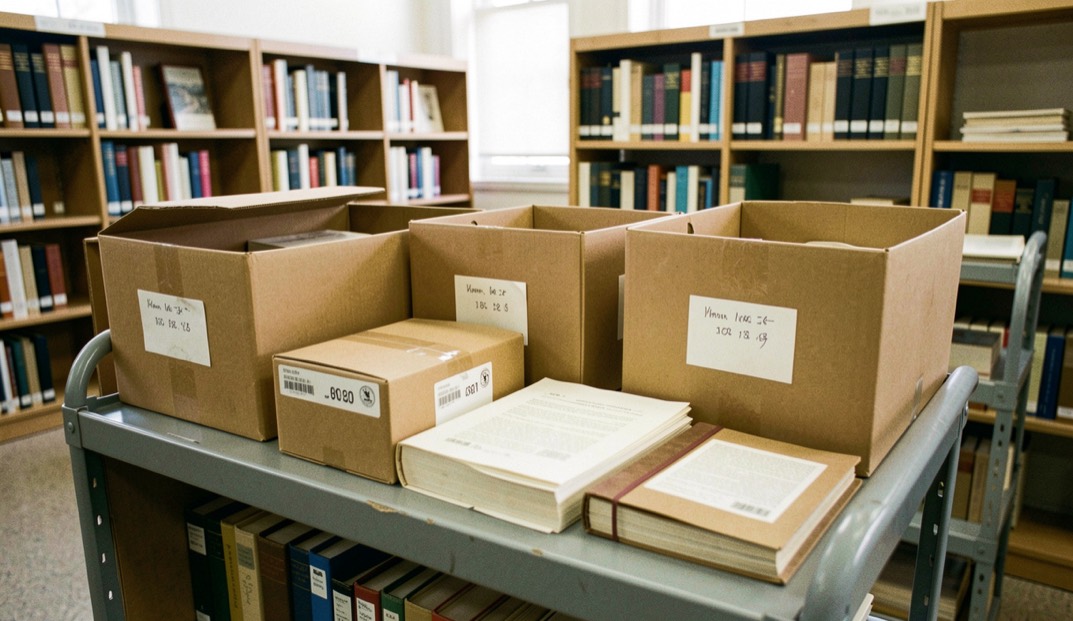
The TKR archive is valuable because it records a community’s public infrastructure as well as its conversations. A page, forum path or contributor note can show how remote-viewing knowledge was shared online, but it does not automatically verify a person’s biography or a session’s accuracy. This article keeps those layers separate. It uses archived pages for web history, community recollection for testimony and institutional sources for claims that require stronger support. The result is not a complete reconstruction of every contributor. It is a careful account of why the Ten Thousand Roads name, Palyne Gaenir and the surrounding archive became part of the subject’s public memory.
Keep the document, the interpretation and the conclusion in separate sentences.
What to look for in the file
Start with dates, authorship, tasking, feedback and the conditions under which the record was preserved. Then compare the source with the page that describes it. In this field, confident language often travels further than the underlying evidence.
That does not make every account worthless. It means that accounts need labels. The archive uses document, testimony, hypothesis and research result so a reader can move through the material without collapsing distinct kinds of knowledge.
Why this page is here
This file belongs to the History & Archives route. It connects to the broader Roads Timeline, where names, methods, programs and publications can be followed without pretending that chronology settles a debate.
A community source has a different job
The TKR story sits between web history and personal recollection. Palyne Gaenir and the Ten Thousand Roads name appear in archived pages, links and community references, but an old page is not automatically a verified biography or a scientific result. Treat the Wayback capture as evidence that a page existed at a particular time. Treat a contributor’s account as testimony or context unless an independent record supports the detail. This distinction preserves the community’s importance without asking its archive to carry a claim it was never designed to prove.
Reconstruct the route, not the legend
When reading an old community page, record the capture date, visible title, navigation path, linked files and any change in wording across captures. A broken image, missing stylesheet or dead external link is part of the preservation problem. Compare several captures before saying that a feature disappeared or that a forum was active. The practical method is simple: save the URL, quote only the relevant visible passage, describe what the capture shows and mark the rest as unknown. That is stronger than smoothing gaps into a continuous story.
Why the archive still matters
Online communities supplied glossaries, practice routines, peer correction and a place for people to preserve session narratives outside official programs. Those functions are historically important even when the claims discussed remain disputed. The limitation is selection: a surviving page reflects what someone published, what the crawler reached and what later hosts retained. A reader can use TKR as a map to people, terms and debates, then follow primary documents or publication records before making a broader claim about remote viewing.
The archive's later pages show the same habit of separating what is documented from what is assumed, and the method pages apply it to ordinary planning. A study stay in Valladolid is treated as a sequence of verifiable steps: course level and the DELE exam, neighbourhoods read against city maps before arrival, host family arrangements, and the order in which the three parts of the planning should be settled. The page also asks which Castile and Leon excursions are realistic, and what should be verified before paying.
The TKR archive documents how a small online community kept its records, its disputes and its terminology in public view. That habit of preservation has a parallel in other volunteer-run settings, where a handful of people carry the memory of a group across years. A church youth ministry faces the same problem: attendance shifts, leaders leave, and the reasons behind past decisions are rarely written down. The practical questions are familiar to anyone who has maintained an archive, including how to keep running group nights for teenagers when the same few adults are responsible for everything.
Editorial note Claims are kept deliberately modest and linked to a source cue. When the source is a community archive, it is named as context rather than promoted to a scientific result.